
The short version
The key points from the article in a quicker skim.
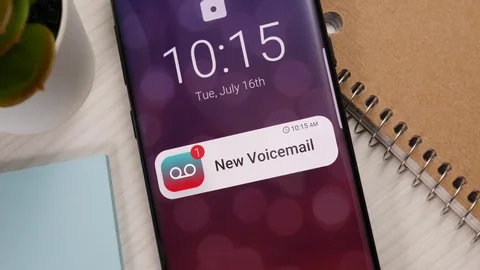
- The majority of callers hang up when they reach voicemail rather than leaving a message
- People looking for a tradesperson are usually in some degree of urgency and will try the next number immediately
- A voicemail that does get left still requires you to call back before they have already moved on
- Voicemail creates the feeling of a safety net without providing the actual protection of one
The calls you never hear about are not the ones where something went wrong. They are the ones where voicemail picked up and the caller quietly moved on.
There is also a subtler problem with the voicemails that do get left. By the time you listen to the message, return the call, and reach the person, a meaningful amount of time has passed. If they called three other plumbers after you and one of them answered and confirmed a booking, your callback is an interruption rather than a solution. They will tell you they have sorted it. You will have no way of knowing how close you were to winning that job, because the whole sequence happened invisibly.
None of this means voicemail is useless. For existing customers who know you and trust you, a voicemail is often fine because they are willing to wait. For someone calling you for the first time from a Google search, it is a much weaker position than it appears. The distinction matters because these two caller types need completely different handling, and treating them the same is where the revenue leak starts.
The fix is not about removing voicemail. It is about not relying on it as your primary fallback for new enquiries. When a call cannot be answered, something needs to pick up immediately, capture the caller's details while they are still engaged, and get that information to you fast enough that your callback still lands before they have committed elsewhere. The window is short. In most cases it is measured in minutes, not hours.
Plumbers who have addressed this consistently report the same thing: they did not realise how many enquiries were disappearing until they started capturing them properly. Voicemail counts are deceptively low not because call volume is low but because most callers never reach the beep. The absence of messages is not evidence that calls are being handled well. It is usually evidence of the opposite.
If you want to understand what is actually happening with your missed calls, the starting point is separating the calls that went to voicemail from the calls that rang out before anyone, or anything, picked up. Those two groups behave very differently and need different solutions. CallHandlr answers the call before voicemail is ever reached, captures the job details, and gets them to you by SMS within seconds. If you want to see what a real call would look like, hear Callhandlr answer a call here.