
The short version
The key points from the article in a quicker skim.
- Callers form a strong impression within the first 30 seconds of a call being answered
- They are looking for confidence, clarity and control before they have heard a single question
- Uncertainty or hesitation in those first moments creates doubt that is difficult to recover from
- How a call opens shapes whether the caller commits or keeps their options open
Callers are not just reporting a problem in the first 30 seconds. They are deciding whether to trust you with it.
Callers decide quickly. The first 30 seconds are not the warm-up to the important part of the call. For most new enquiries, they are the important part.
When a caller dials a plumber, they have usually already decided they need help. The question they are trying to answer on the call is not whether they have a problem. It is whether you are the right person to solve it. That assessment starts immediately. The way the call is answered, the tone in the first sentence, the sense that whoever picked up knows what they are doing, all of it lands before you have asked a single question about the job. Callers are not consciously running through a checklist. But they are reading signals, and those signals are loudest right at the start.
What callers are listening for in those first moments is relatively consistent. They want to feel that someone capable is on the other end of the line. They want the call to be answered promptly and handled with some structure. They want to feel like their problem is going to be taken seriously rather than squeezed between other things. None of this requires a script or a formal process. It requires the person answering to sound present, clear, and in control of the conversation from the opening word.
The gap between what plumbers think callers notice and what callers actually notice is wider than most expect. Background noise, a distracted tone, an opening that sounds like the call is an inconvenience rather than an enquiry, these things register immediately. They do not always end the call, but they introduce a small doubt that the caller carries through the rest of the conversation. That doubt makes them slightly less likely to commit, slightly more likely to say they will think about it, and slightly more likely to try one more number before deciding.
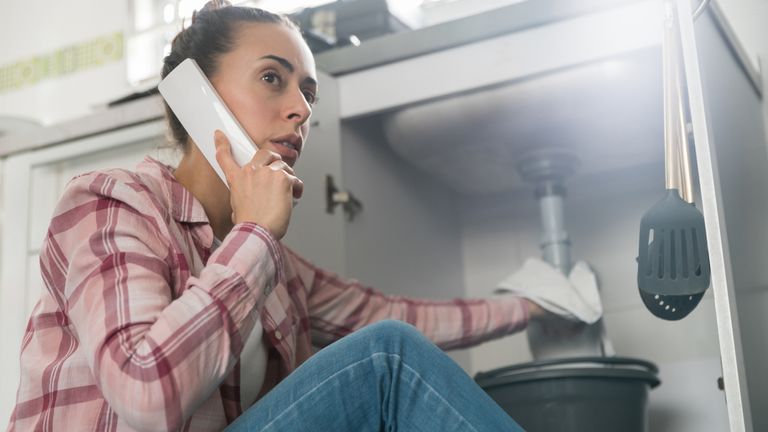
Urgency changes the stakes significantly. A caller dealing with an active leak or a boiler that has stopped working overnight is already stressed before they dial. What they need from the first 30 seconds is reassurance that the situation is being taken seriously and that someone is going to help them resolve it. A calm, clear, immediate response does a significant amount of that work on its own. A fumbled opening, or worse, a voicemail, does the opposite at exactly the moment it matters most.
This is also where the difference between answering a call and handling a call becomes apparent. Picking up is the first requirement. But what happens in the seconds immediately after that determines whether the caller relaxes into the conversation or stays guarded. A caller who relaxes gives you more information, is more honest about urgency, and is more likely to commit to a booking before the call ends. A caller who stays guarded tends to hold back, ask fewer questions, and leave the conversation open.
The practical implication is that the first 30 seconds deserve more attention than most plumbers give them. Not in terms of a rigid script, but in terms of how the call is set up to begin. A clear, confident opening that signals availability and competence does more to win a job than any question asked later in the conversation.
CallHandlr is built to handle those first 30 seconds consistently, professionally, and immediately, every time you cannot answer yourself. It captures the details callers expect to give and gets them to you by SMS within seconds. If you want to see what a real call would look like, check out our demo here.